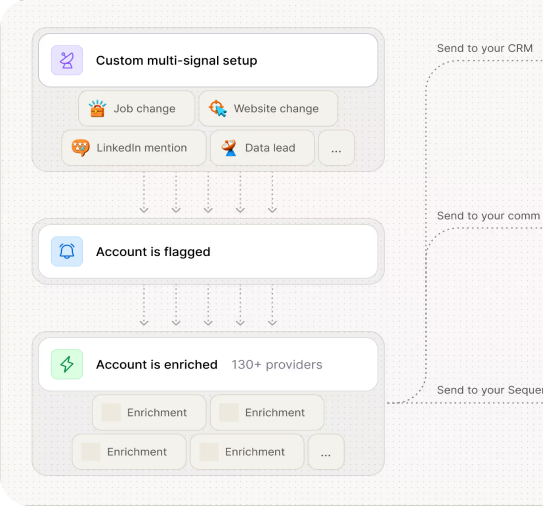
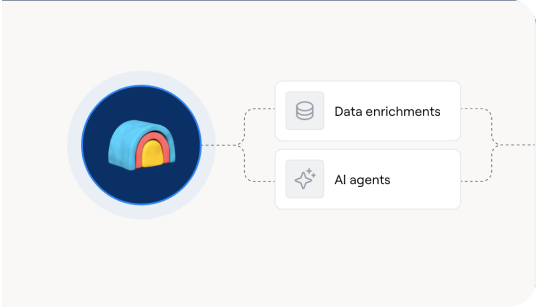
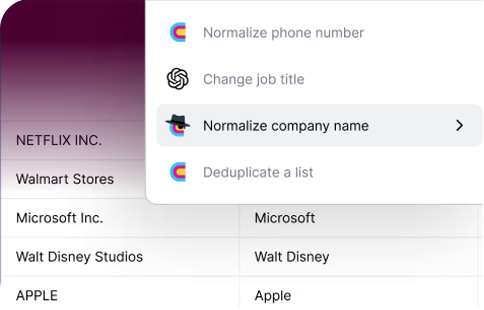
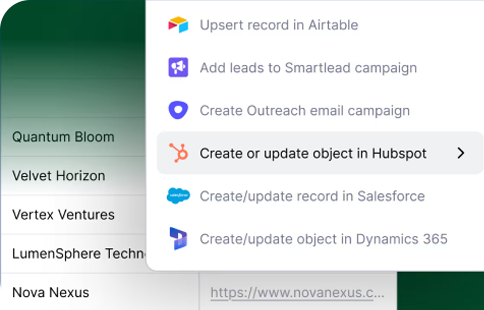
In a smaller organisation, one person often holds the full picture. They know what data is entering the business, where it is going, how it is being used, and which workflows depend on it. That line of sight makes Clay relatively straightforward to deploy.
In a larger organisation, no single person owns the entire picture. Legal may oversee data provenance, privacy, and consent. Information technology owns integrations and infrastructure. Marketing operations and revenue operations manage workflows. Demand generation and field marketing use the outputs. Sales expects account intelligence in a format its teams can act on.
Each function owns part of the system, but nobody automatically owns the whole. That makes the greatest enterprise challenge less about accessing data and more about designing how data should move, who should use it, and what controls need to exist around it.
Clay provides the flexibility. Enterprise organisations still need the architecture, governance, and cross-functional alignment to use that flexibility safely and effectively.